Redesign preview by DEAGENTUR for Wild Cities. Not the official site; content from wild-cities.org.
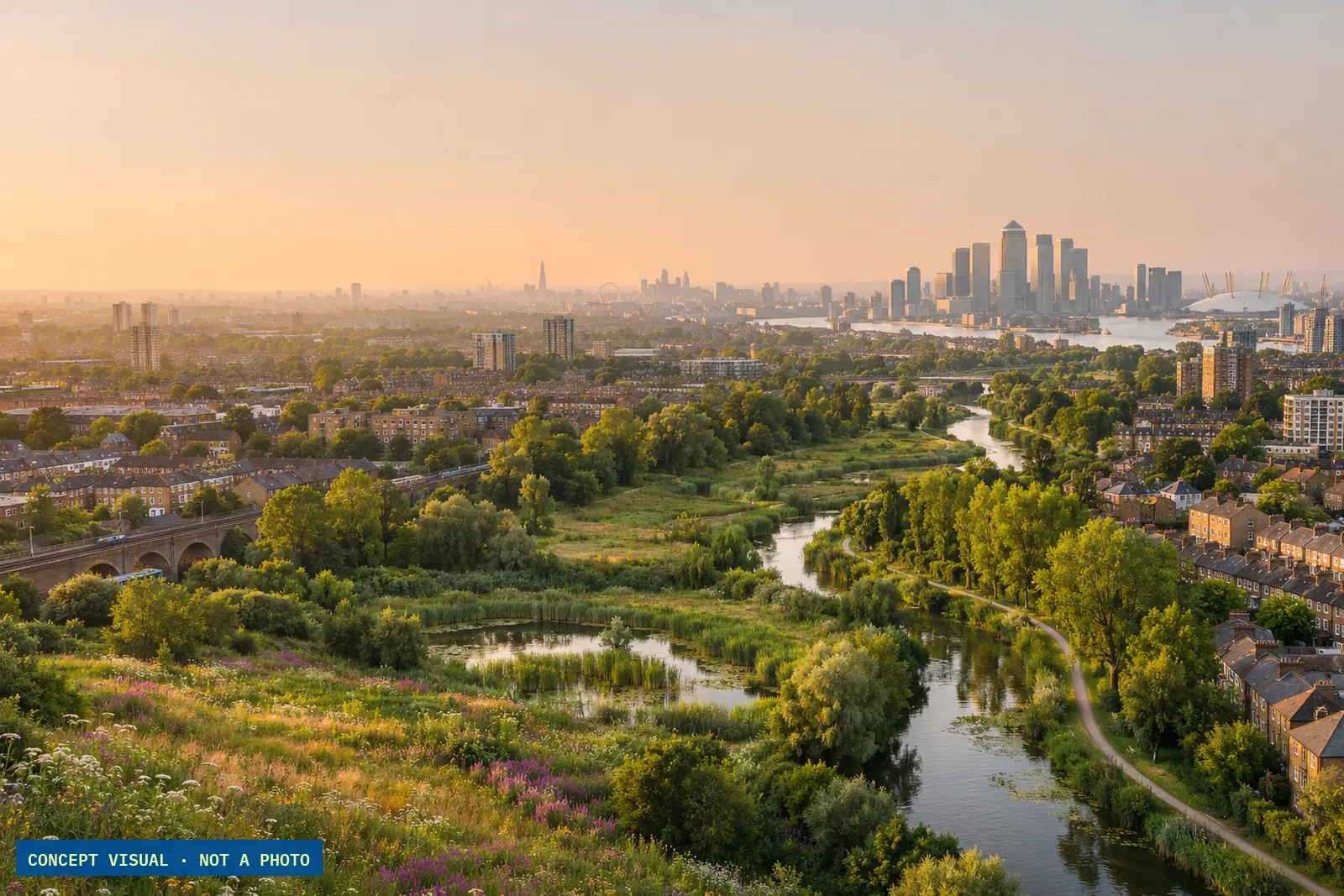
Concept render: aerial view of a green corridor of meadows, wetlands and towpaths along the River Lea through East London at golden hour

A 14-mile urban nature corridor in London

Regreening cities as though our lives depend on it

We're bringing unlikely allies together, to connect a 14-mile corridor of life in London. Uniting culture, community and ecology to make nature visible, accessible and unstoppable.

Concept visual, not a photo๐Ÿท๏ธ We make 3D rendering style images from their project plans and concepts

United, we can accelerate nature restoration for people and planet. Wild Cities aims to be a connecting force between government, business and finance, culture, community, science and citizens.

14 miles
of connected urban nature corridor
4 boroughs
Haringey, Hackney, Tower Hamlets and Newham
90 days
founding sprint that shapes the Coalition
3 functions
convene, build the pipeline, measure and share

Walk the corridor

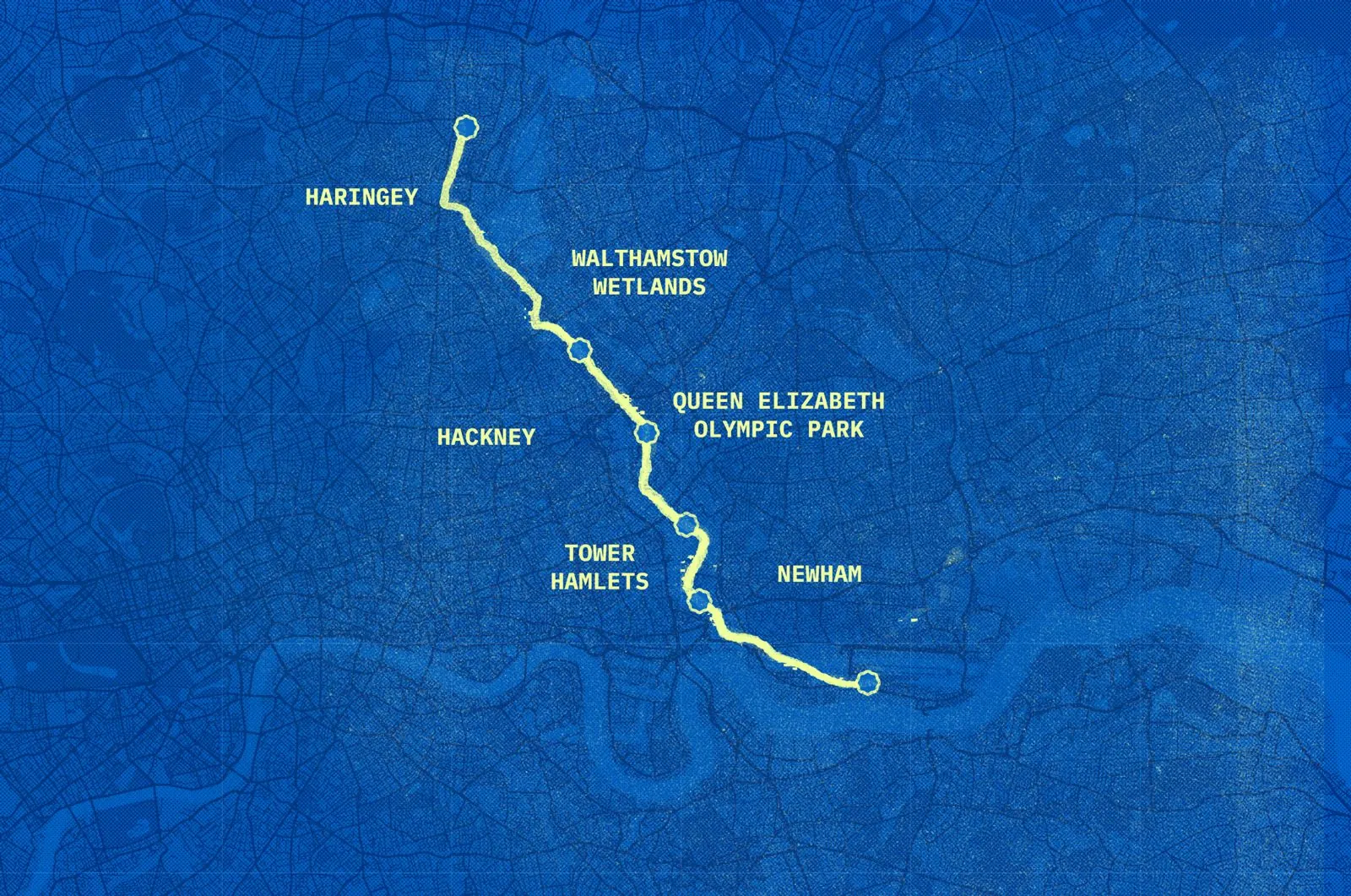
Our first project aims to accelerate nature recovery across a 14-mile landscape, from Haringey in the north to Newham at the Thames. No two parts of the corridor are the same: each needs its own approach, shaped by the ground, the water, the wildlife and above all the people who live there. Choose a stop.

Wild Cities London corridor map: a line from Haringey past Walthamstow Wetlands, Hackney, Queen Elizabeth Olympic Park and Tower Hamlets to Newham at the Thames

Stop 1 ยท Anchor borough

Haringey

The northern end of the corridor on the Wild Cities map, and one of the four anchor boroughs. If you live, work, study or garden along the corridor, Wild Cities would love you to help shape it.

Spaces that can join here

  • Parks, verges and street trees
  • Allotments and orchards
  • Private gardens, balconies and window boxes
  • Schools and civic spaces

๐Ÿท๏ธ We make 3D rendering style images from their project plans and concepts Renders are concept visuals based on Wild Cities' corridor map and descriptions, not photos of the real places.

How the corridor comes to life

The corridor is delivered through cross-sector partnerships that unlock land, funding and community participation. Working alongside local authorities, landowners, delivery organisations and civil society partners, Wild Cities designs and implements place-based projects that restore biodiversity, build climate resilience and expand access to urban nature. Each site joins a connected ecological network.

  1. 01

    Convene partners and aggregate demand

    Acting as a neutral convenor, bringing organisations together around shared priorities and identifying where collective action can add value.

  2. 02

    Turn shared priorities into an investible pipeline

    Developing viable opportunities on the ground and connecting them to the funding, expertise and support they need.

  3. 03

    Measure, report and share learnings

    Building the evidence of what works, strengthening accountability and informing future investment.

Pilot project ยท Completed

Wild Cities begins in Newham: ReInstate

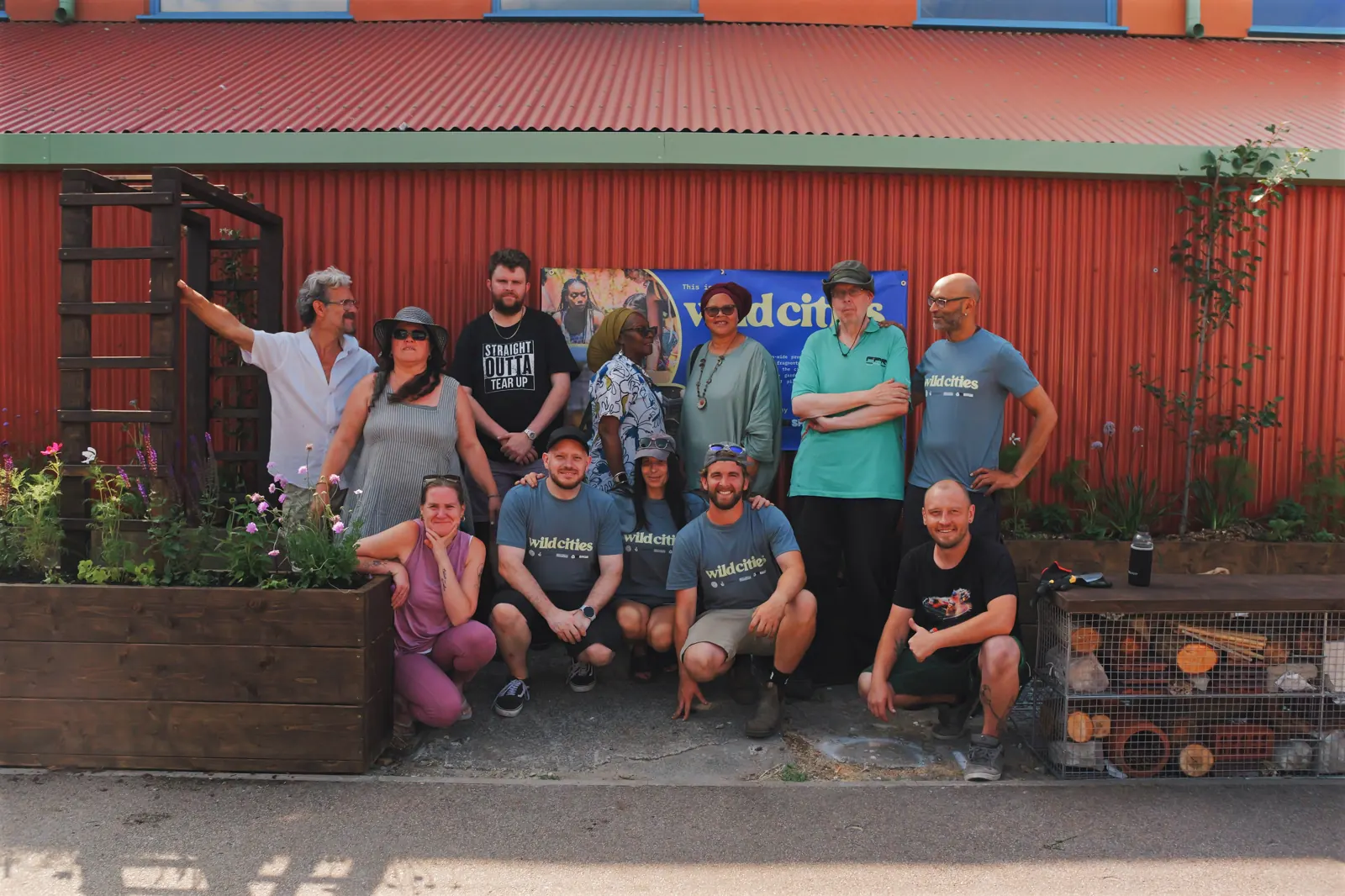
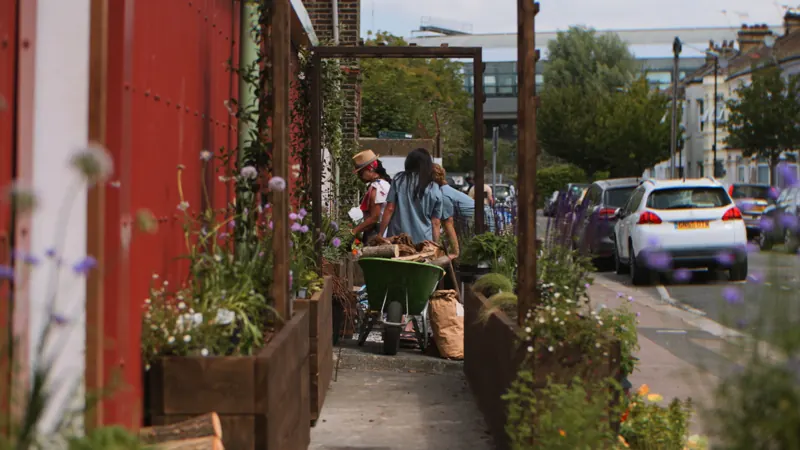
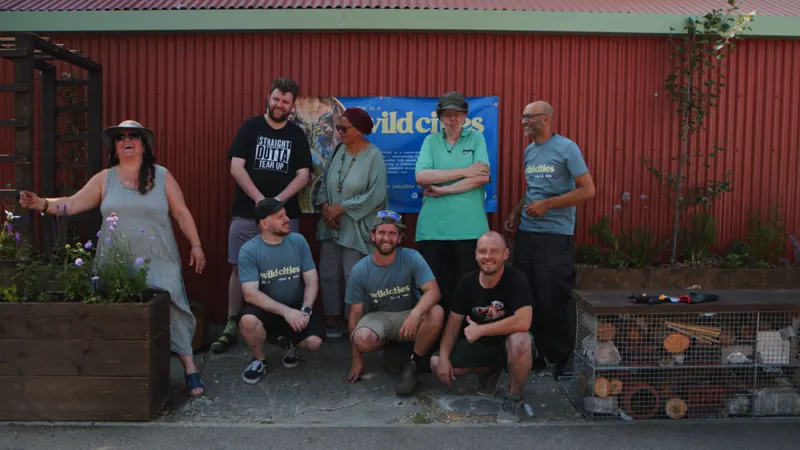
Wild Cities volunteers with the REinsTate and Respace Projects teams in front of the new planters at the Tate Institute, Newham
Photo: Wild Cities planting day, Silvertown, July 2026.

Wild Cities' first pilot landed at ReInstate, ReSpace Projects' transformation of the Tate Institute in Silvertown. Built in 1887 by Sir Henry Tate for workers at his sugar refinery, this locally listed building has lived several lives, from communal baths to library to pool hall, and is now being reimagined as a net zero, circular economy community hub using reclaimed materials.

ReSpace's ethos (reuse waste, reduce inequality, rebuild communities) mirrors Wild Cities' belief that ecological and social repair are the same project. Here the team piloted the community gardens within the wider retrofit, and what it learns shapes the Wild Cities Ecological Framework.

Location
Former Tate Institute, Silvertown, Newham
Status
Completed
In partnership with
Respace Projects
Financed by
National Lottery Community Fund
  1. 1887Sir Henry Tate builds the Tate Institute for workers at his sugar refinery.
  2. ConsultationGarden designs shared with the Silvertown community; residents shape what grows and how the space is used.
  3. 15 July 2026Community planting day, then a workshop led by project lead Jack Hodgson: pollinator-friendly plants and habitats mixed with edible crops like tomatoes and cucumbers.
  4. NextLearnings feed the Wild Cities Ecological Framework as it expands across the London-wide corridor.
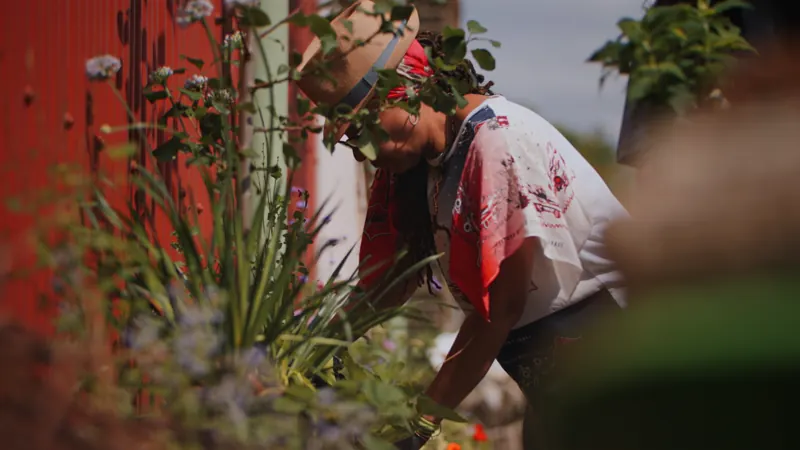
A volunteer planting at the ReInstate garden
New planters and climbing frames along the Tate Institute wall
Hands settling a plant into a raised bed

Special thanks to Jack Hodgson, Gee Sinha and the volunteers who joined in. Photos in this section are Wild Cities' own.

Impact across communities and ecosystems

Residents

People living in nature-depleted neighbourhoods across London gain access to greener, healthier spaces, creating opportunities for intergenerational connection and everyday engagement with nature.

Councils and institutions

Local authorities and public bodies contribute to London's nature recovery, restoring biodiversity and shaping greener, more liveable neighbourhoods.

Community organisations

Grassroots organisations receive resources, visibility and long-term support to lead local stewardship and environmental action.

Pollinators and biodiversity

A growing network of restored habitats reconnects pollinators and wildlife across the urban landscape.

Why London?

London is one of the greenest major cities in the world, but green space alone doesn't make a city wild. It matters where it is, who can reach it and how much life it supports.

Nearly half
of the capital is green and blue space: parks, rivers, marshes, reservoirs, woodlands, allotments, gardens and canals.
2019
London became the world's first National Park City.
13.1%
of Newham is public green space, the second-lowest proportion in the capital (Greater London Authority data, Newham Council planning records).
100+
species of fish now live in the Thames, declared biologically dead in the 1950s, alongside seals, eels and seahorses.
70 acres
Highgate Wood, an ancient woodland that survives from the historic Forest of Middlesex.

From the Wild Cities article Why London? Growing a Wilder Capital.

90-day founding sprint

We're building a Coalition

No organisation can deliver city-wide nature recovery alone. The land, funding, knowledge and people needed are spread across different sectors. The pieces are here. Let's bring them together. No commitment or formal membership required.

What you bring

Land, permissions, planning levers, maintenance regimes, local convening power, funding.

Spaces that can join

  • Parks, verges and street trees
  • Roads and transport corridors
  • Schools and civic spaces
  • Housing estates
  • Canals, waterways and wetlands
  1. Bring what you have. Share your projects, expertise, land, funding or connections.
  2. Meet who you need. Connect with people and organisations who can help make things happen.
  3. Shape what comes next. Help set the Coalition's direction, priorities and ways of working.
  4. Make more possible. Find opportunities to turn shared ambition into action.

Register your interest

Join the 90-day founding sprint and help build the Wild Cities Coalition.

What you could bring

Preview: entries stay in this demo and are not sent to Wild Cities.

Grow skills. Restore land. Build community.

Regenerative Skills Hub

A new kind of learning space, rooted in real land and open to everyone. Launched in partnership with Pitchcott Farm, the Hub offers free, practical training in regenerative food-growing, soil health, habitat creation and ecological stewardship for Buckinghamshire residents.

Hands-on learning at Pitchcott Farm blends with online courses, seasonal volunteering and peer-led farmer sessions: a pathway for young people looking for a new direction, farmers wanting to try something different and community members with land to care for. Developed by Initiative Earth and Pitchcott Farm with support from the Rothschild Foundation.

Applications for the first cohort are now closed.

We are coming to London

Green skills for urban audiences: free, hands-on training in land-based and environmental skills, a real pathway into the green economy.

Leave us a message

Events

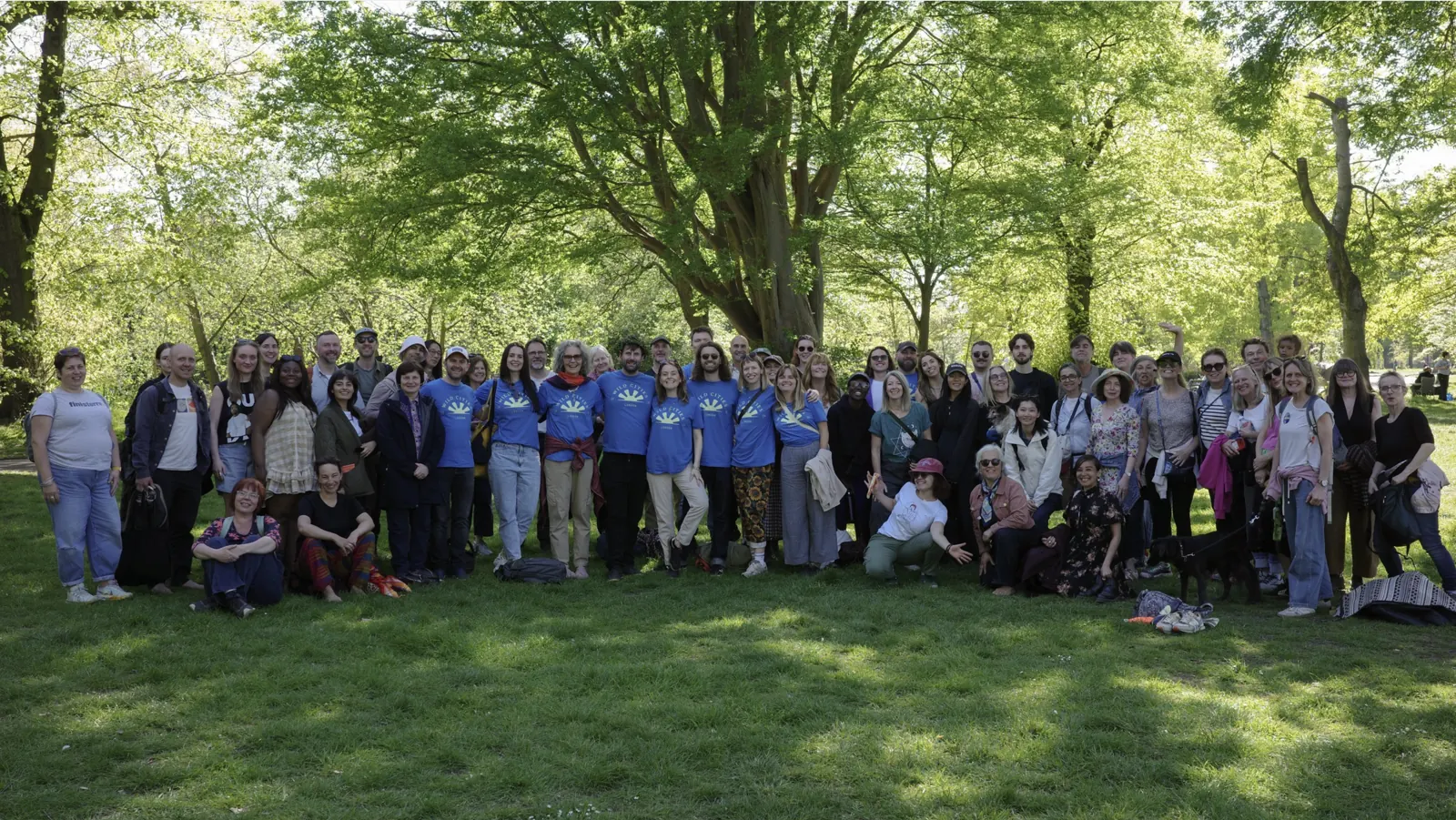
Walkers of the Pollinator Pilgrimage gathered in a park

Saturday 25 April

Pollinator Pilgrimage

The public launch of Wild Cities: a one-day walk from Walthamstow Wetlands to Victoria Park, tracing the River Lea and the route of the future 14-mile nature corridor. Participants sowed seeds, visited community growing projects already taking root along the route, and shared food and reflections as a collective act of urban regeneration. Lunch was provided by Fooditude.

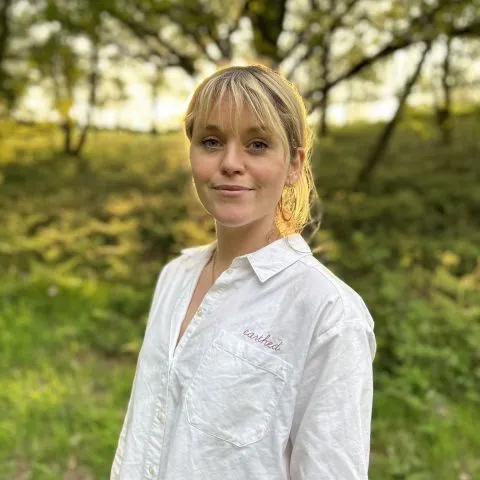
Pilgrimage partners and supporters: Kibbo Kift, Fooditude, Earthed, Schumacher College, Advaya, Be The Earth Foundation, British Pilgrimage Trust, The Resurgence Trust.

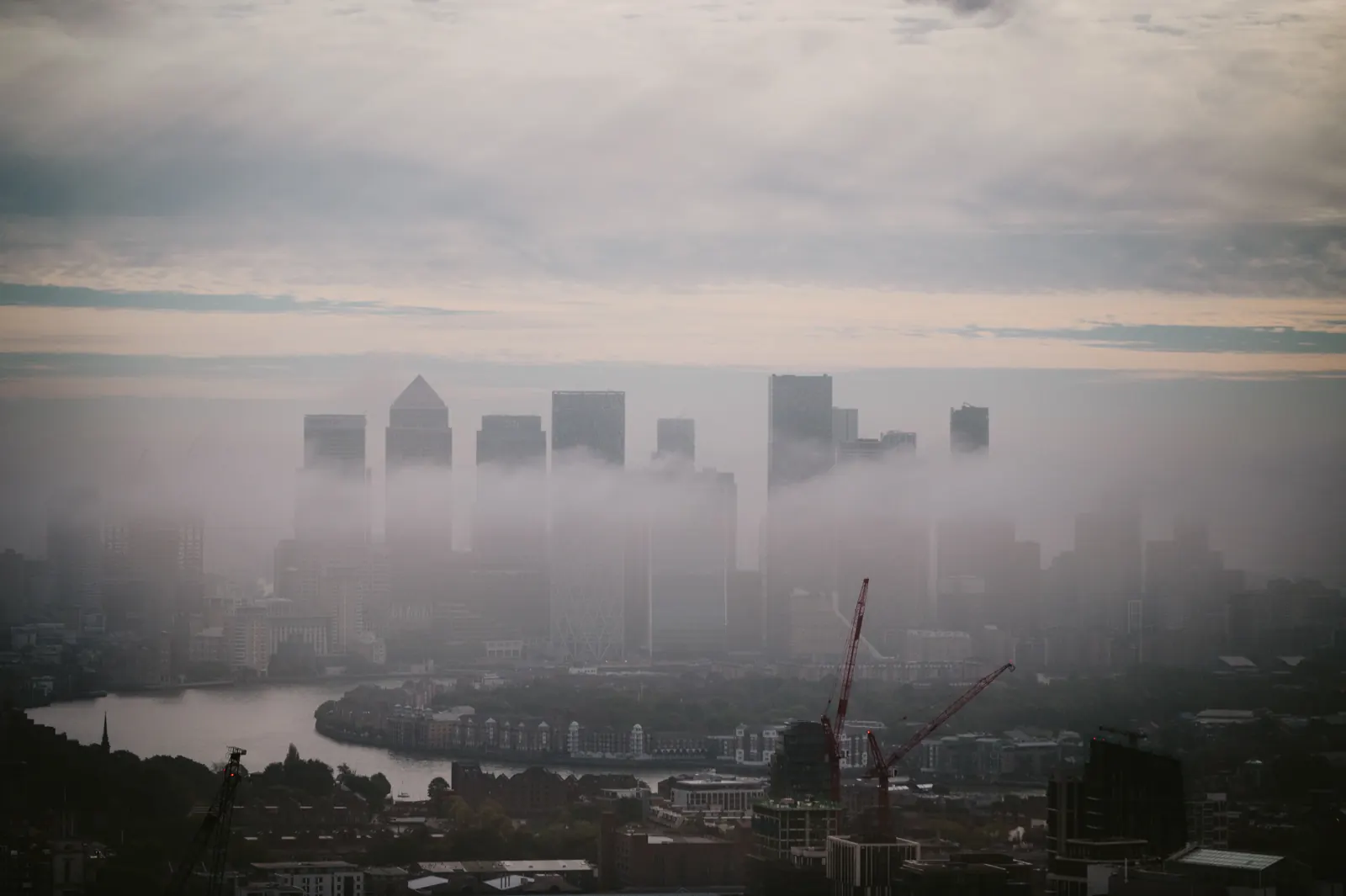
Misty London skyline seen from Sky Garden during the Shaping Liveable Futures event

October ยท Sky Garden

Shaping Liveable Futures

120
attendees
90
organisations

Business leaders and government met at Sky Garden to answer one question: how can we move from fragmented efforts towards coordinated, long-term investment in urban nature? Takeaways: nature is essential urban infrastructure, the case for investment is stronger than ever, the solutions are already emerging, and collaboration is the key to scaling impact.

Read the event report

Our mission

To make city-scale nature recovery possible.

Wild Cities builds the coordination infrastructure that connects government, business, culture, community and science, turning fragmented land, capital, expertise and local capacity into lasting nature recovery. The 14-mile corridor in East London is designed from the outset as a model that can be adopted and adapted elsewhere.

Our vision

Cities that work with nature, not against it.

A future where nature is treated as essential infrastructure, embedded in how cities plan, invest and grow, making neighbourhoods greener, more biodiverse and more resilient.

Wild Cities is a flagship programme of Initiative Earth (Charity No. 1192512), a charity registered in England and Wales and the organisation behind Earthed and EcoResolution.

People

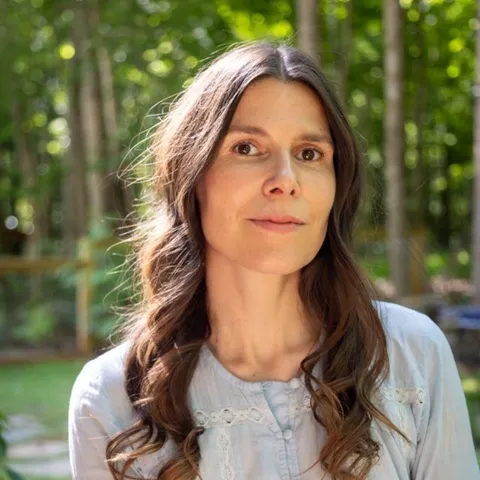
  • Wanessa RudmerExecutive Director of Initiative Earth and Founder of Wild Cities
  • Ciaran BigginsHead of Development at Initiative Earth
  • Christabel ReedCo-Founder and Trustee of Initiative Earth Charity
  • Cara DelevingneCo-Founder and Trustee of Initiative Earth Charity
  • Anna Van Der HurdChairperson of Initiative Earth Charity
  • David AlfreyTrustee of Initiative Earth Charity
  • James BeazleyTrustee of Initiative Earth Charity

Founding partners

Six Senses London and Sky Garden by H Properties, whose generosity and vision are helping to bring Wild Cities to life.

Funders

The Bacon Foundation, the Garfield Weston Foundation, The National Lottery Community Fund and the Rothschild Foundation.
Logos: Six Senses London, Sky Garden, H Properties, 20 Fenchurch Street, The National Lottery Community Fund, Rothschild Foundation, Garfield Weston Foundation

As seen on

ITV, Metro, BBC London, The Sun, London TV, Time Out, edie, London Daily, Yahoo News, Secret London, fakta.co and MyLondon.

Press logos: ITV, Metro, BBC London, The Sun, London TV, Time Out, edie, London Daily, Yahoo News, Secret London, fakta.co, MyLondon

Journal

    Contact us

    If you live, work, study or garden along the corridor, Wild Cities would love you to help shape it.

    Address
    Initiative Earth Charity
    Simmonds Gainsford, 14th Floor
    33 Cavendish Square
    London W1G 0PW
    Social
    Instagram ยท LinkedIn

    Preview: messages stay in this demo and are not sent to Wild Cities.

    Concept visual, not a photo๐Ÿท๏ธ We make 3D rendering style images from their project plans and concepts

    Original on wild-cities.org